Scaling Innovation Through a Global Design Ecosystem
Program: Innovation for Emerging Experiences
Systems Thinking
Mobile App
Desktop Platform
Scalable Ecosystem
Workflow Integration
Scalable Interaction Models
Problem
As emerging technologies accelerated—AI, data, AR/VR, wearables—innovation efforts across Philips became fragmented. Teams explored new capabilities independently, without a shared prioritization model, experience vision, or brand direction. At the same time, accessibility requirements were growing, with solutions needing to serve diverse users, abilities, and clinical contexts across global markets. Without a unified approach, innovation risked being inconsistent, hard to scale, and inaccessible by design.
The Work
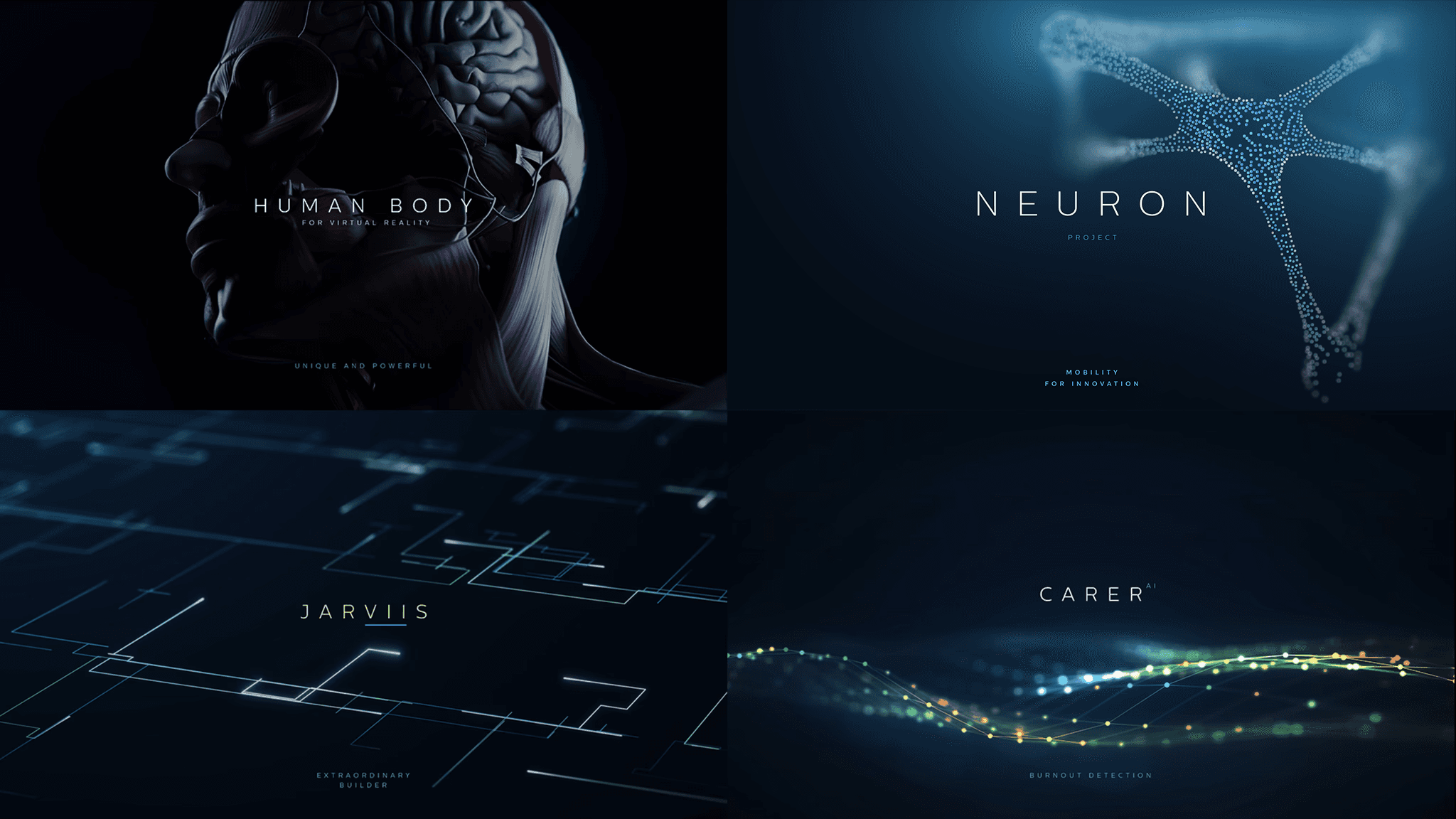
I structured the Philips Innovation Program as a global design ecosystem, connecting multiple innovation initiatives under a shared methodology and experience vision. We explored emerging technologies—including UX virtual assistance, behavioral prediction, data visualization frameworks, wearables integration, and AR/VR concepts—and positioned them within a clear value vs. complexity model. Beyond research, the work focused on storytelling and visualization to sell ideas, align stakeholders, guide resource distribution, and turn concepts into scalable directions.
My role
I led the innovation and experience vision while remaining hands-on across key initiatives. I applied my personal design methodology—rooted in hypothesis-driven design, rapid prototyping, and experience storytelling—and scaled it to the team through shared frameworks, workshops, and artifacts. I guided teams in framing problems, connecting with technology partners, prioritizing initiatives, and translating complex ideas into compelling narratives that enabled buy-in and execution.
Outcomes
Enabled 10+ innovation initiatives across AI, data visualization, wearables, and virtual assistance under a shared experience vision
Reduced concept-to-decision time by ~40%, using clear prioritization and storytelling frameworks
Increased cross-team alignment, cutting duplicated exploration efforts by 30–50%
Established a single AI brand and aesthetic direction adopted across multiple pilots and demos
Scaled a personal design methodology to multiple teams, standardizing how ideas were framed, evaluated, and communicated
Improved stakeholder buy-in and funding decisions through cinematic storytelling and visual narratives