Designing Cross-Device Platform for Global Healthcare Products
From Products to Ecosystem
Systems Thinking
UX Systems
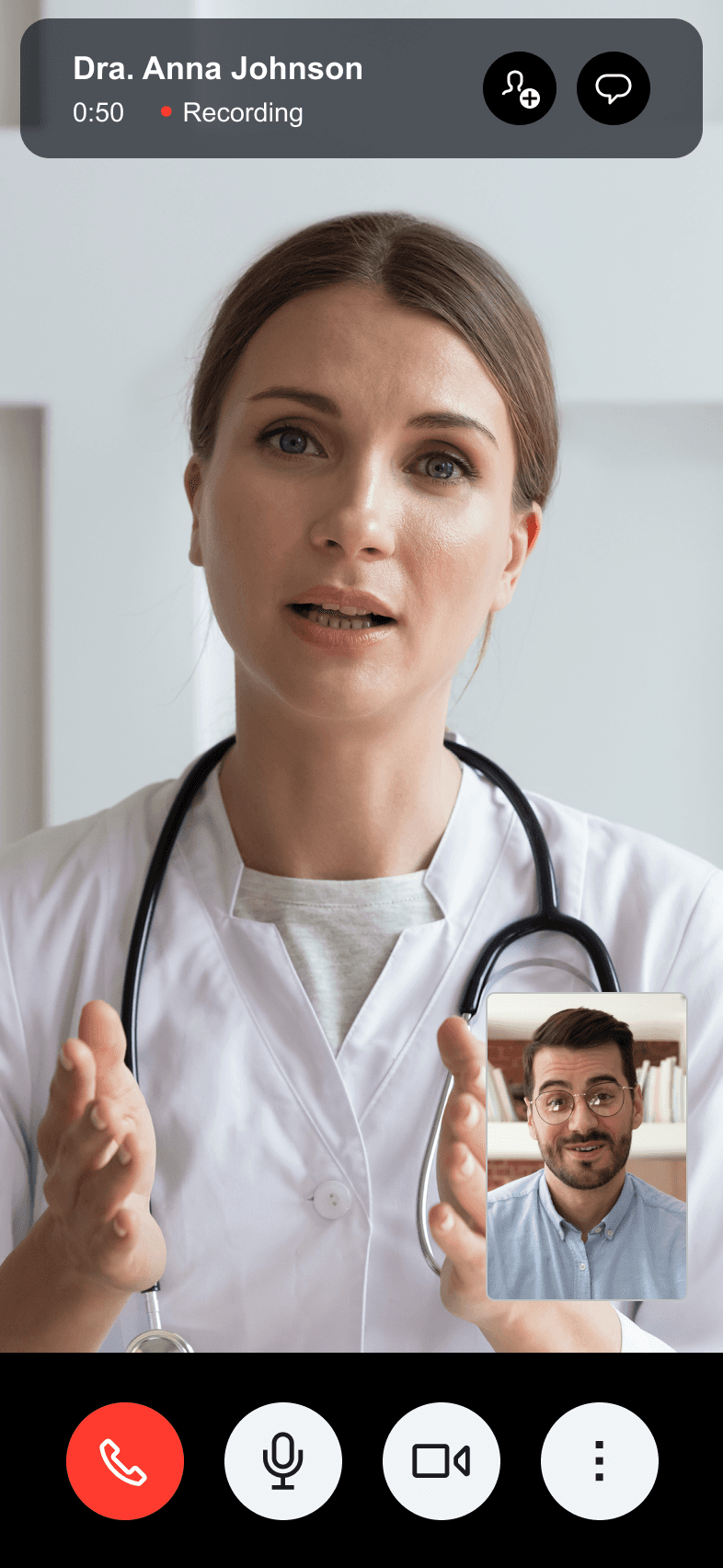
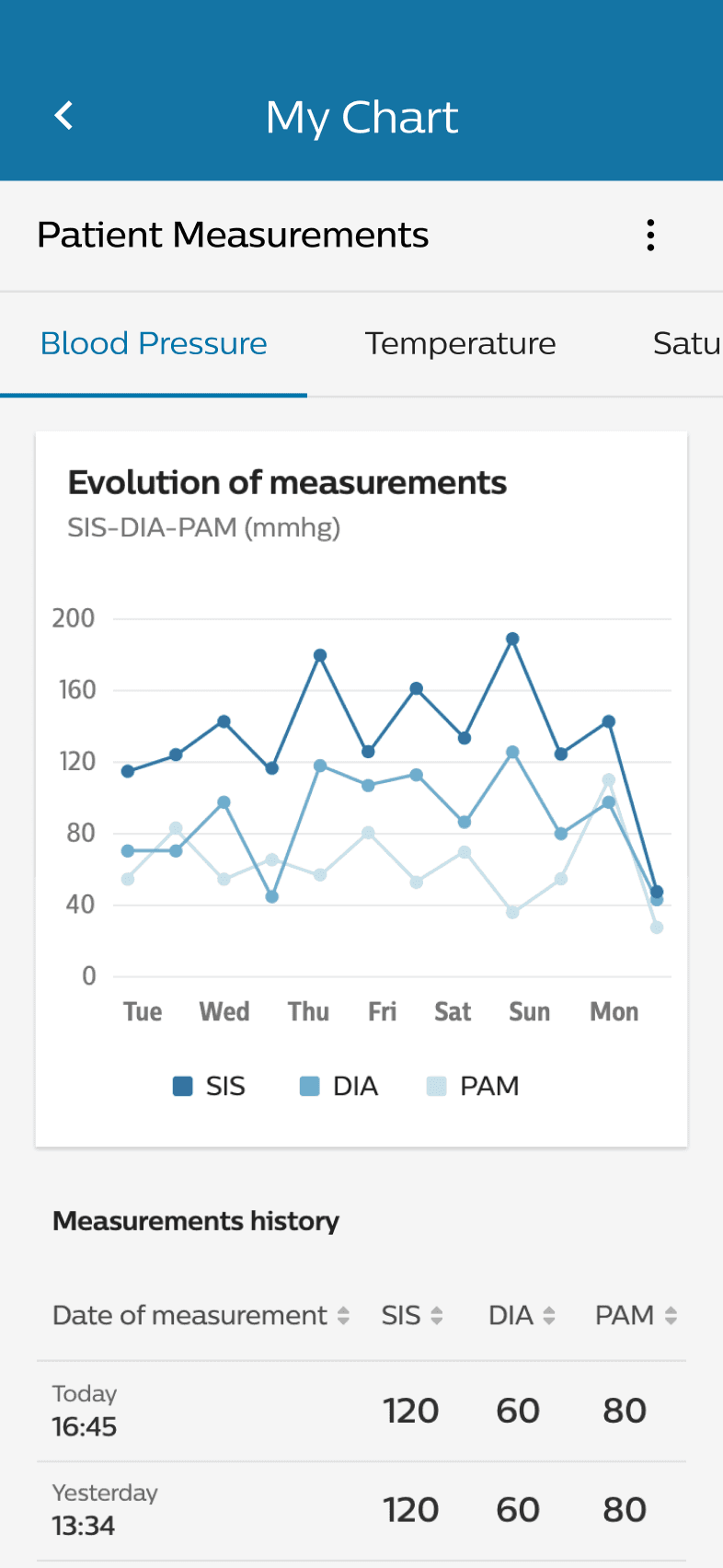
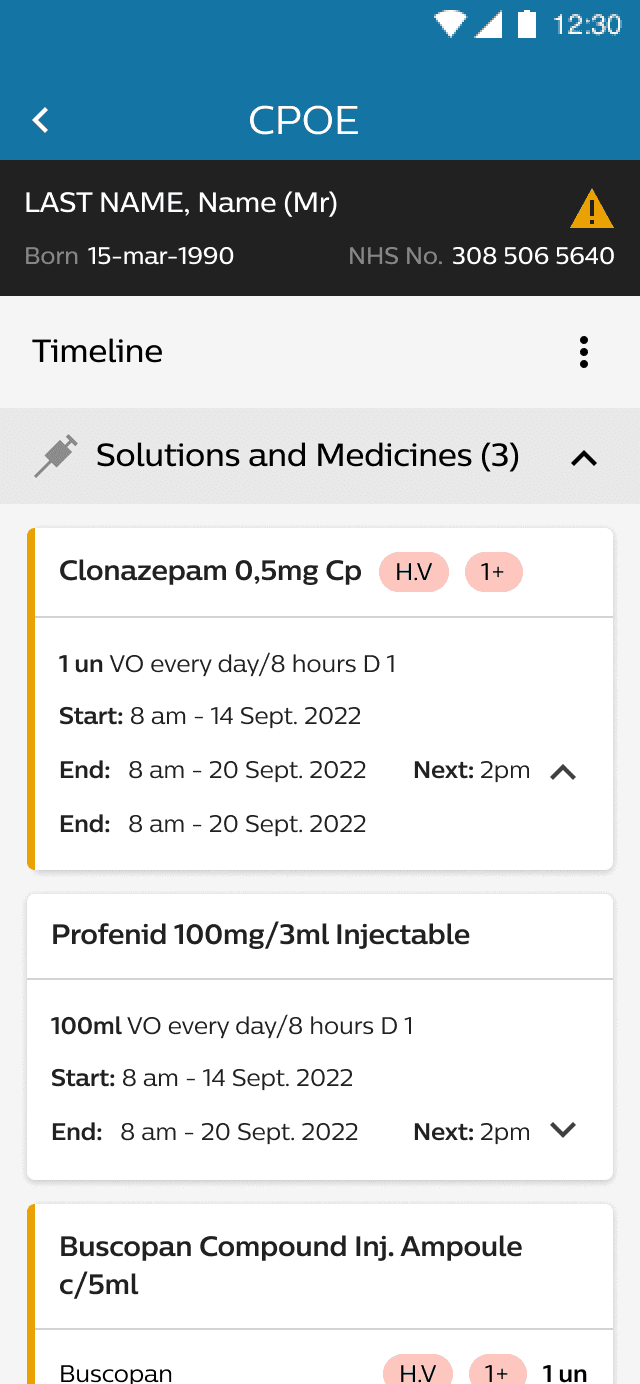
Mobile App
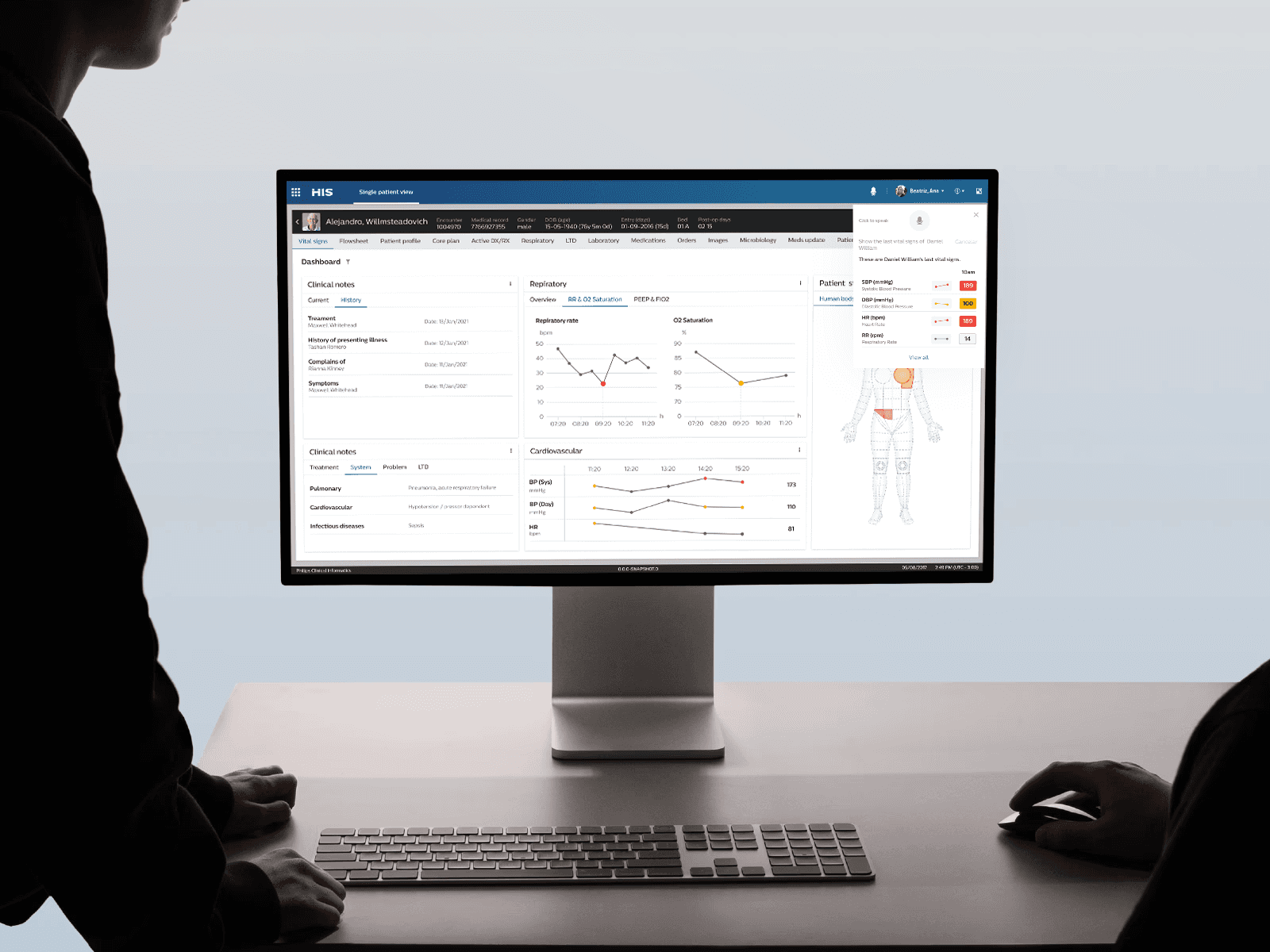
Desktop Platform
Scalable Ecosystem
Workflow Integration
Scalable Interaction Models
IF Design Award
23 & 22
RedDot
2023
Problem
Philips faced a large-scale platform challenge: 17,000+ existing desktop screens needed to be adapted for mobile, with an initial migration estimate of over 15 years. Desktop and mobile experiences were fragmented, increasing learning friction, slowing adoption, and introducing patient safety risks. The imbalance between scale and resources—over 1,100 developers and only 20 designers—made traditional screen-by-screen redesign impossible.
The Work
We redefined the problem from screen migration to experience system design. Instead of redesigning thousands of interfaces, we focused on unifying desktop and mobile through user moments, shared interaction patterns, and a scalable design framework. The work emphasized simplification and automation, reducing surface area while preserving safety-critical workflows, and creating a foundation extensible to future devices beyond mobile.
My role
I led the shift from screen-based redesign to system-level experience design, redefining how desktop and mobile products scale together in a global healthcare platform.
Framed the problem as an ecosystem and interaction-system challenge, not a migration effort
Defined moment-based UX models to unify desktop and mobile workflows
Established design principles and governance to support 1,100+ developers with a small design team
Partnered closely with product, engineering, and clinical stakeholders to preserve patient safety
Guided simplification and automation strategies to reduce surface area without compromising workflows
Set the foundation for future device expansion and AI-enabled experiences
Outcomes
Reduced migration estimate from 15+ years to ~3 years
Enabled a 10× increase in designer leverage, allowing designers to focus on core workflows only while scaling across 15,000+ screens
Unified desktop and mobile experiences with a single scalable system
Reduced learning friction for first-time users
Maintained patient safety across all workflows
Established a foundation extensible to additional devices and platforms
30–40% reduction in first-use learning friction, driven by consistent patterns and moment-based experiences